Intercom Monitors: chiudere il loop di osservabilità del supporto AI
La funzionalità Monitors di Intercom chiude la fase Analyze del flywheel di Fin — portando QA strutturata e ripetibile al supporto guidato dall'AI su scala. Ecco cosa significa per le tue operation.

Chris
March 30, 2026 · 10 min read
Ask AI about this post




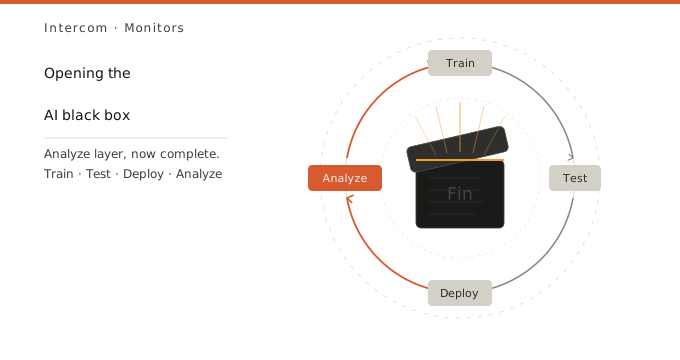
Il titolo dell'annuncio di Intercom lo dice chiaramente: Aprire la scatola nera dell'AI. Non è marketing — è una filosofia di prodotto, e Monitors ne è finora l'espressione più chiara.
La maggior parte dei vendor di agenti AI tiene il tuning dentro la scatola. Se qualcosa non performa, apri un ticket e qualcuno dal loro team lo aggiusta per te. Intercom ha preso la posizione opposta fin dall'inizio: i clienti devono poter aprire da soli il sistema, capire cosa succede e modificarlo alle proprie condizioni. Come ha detto Paul Adams al Fin Labs Paris: «Vogliamo che le persone — tutti i nostri clienti — possano aprire la scatola e modificarla in base alle loro esigenze.»
Questa filosofia sta alla base del flywheel di Fin — un loop continuo Train → Test → Deploy → Analyze attorno al quale è architettato tutto il prodotto. L'idea è semplice: ogni ciclo di miglioramento si compone sul successivo. Alleni Fin su contenuti migliori e su una guidance più chiara, testi i cambiamenti prima che raggiungano i clienti, fai deploy su segmenti o canali specifici, poi analizzi cosa sta succedendo davvero su scala. Sciacquare e ripetere.
Se non hai chiaro come funziona Fin e perché la sua architettura conta, il nostro deep dive su il futuro della customer experience con Fin copre l'intero quadro — dai workflow al design AI-first.
Monitors è il completamento del layer Analyze. Nell'ultimo anno Intercom aveva già rilasciato Insights — con CX Score, Topics e Trends — e Recommendations, che propone fix in un click per gap di contenuto e problemi di configurazione. Monitors, annunciato il 25 marzo al Fin Labs Paris, è il terzo e ultimo tassello: un sistema di QA strutturato e ripetibile che chiude il loop tra ciò che osservi e ciò che effettivamente correggi.
Guarda l'annuncio completo del Fin Labs Paris su Intercom Monitors — o esplora la keynote Analyze su fin.ai
Cosa mancava davvero
La distinzione che Intercom traccia è precisa e vale la pena capirla. CX Score ti dice come i clienti hanno vissuto una conversazione. Monitors con Custom Scorecards ti dice se la conversazione ha rispettato i tuoi standard. Sono domande diverse, e finora non esisteva un sistema scalabile per rispondere alla seconda.
I team facevano ancora QA alla vecchia maniera: fogli di calcolo, campionamento manuale, controlli a campione su una frazione minima del volume. Mentre Fin scala — 8.000 clienti, un tasso medio di risoluzione del 67%, 2 milioni di query risolte ogni settimana, inclusi casi complessi in industrie regolate — sapere cosa fa davvero Fin dietro le quinte diventa operativamente critico.
L'infrastruttura vecchia non aiuta: le survey CSAT coprono circa l'8% delle conversazioni, e il campionamento ad hoc non fa emergere in modo affidabile né gli edge case ad alto rischio né le derive silenziose di qualità.
È qui che molti team sbattono contro un muro — il gap tra sapere che qualcosa non va e sapere esattamente cosa correggere. Se stai costruendo knowledge base per il supporto AI, la qualità dei tuoi contenuti determina direttamente se le risposte di Fin passano o falliscono una scorecard. Monitors rende visibile quella connessione.
Come funziona Monitors
Monitors ha due componenti incastrate: il monitor in sé, che definisce quali conversazioni vengono riviste, e le Custom Scorecards, che definiscono come ciascuna viene valutata.
Selezione delle conversazioni
Per la selezione combini filtri strutturati — canale, topic, stato di risoluzione, area cliente, metriche specifiche di Fin — con segnali in linguaggio naturale per le sfumature che i filtri rigidi non catturano. Un'azienda healthcare potrebbe targetizzare ogni conversazione in cui un paziente mostri segni di difficoltà finanziaria. Una SaaS che lancia una nuova feature potrebbe creare un monitor a tempo limitato per seguire come Fin gestisce le domande relative nelle prime due settimane.
Puoi anche far girare campioni settimanali ampi e costanti, semplicemente per fare benchmark sulla qualità nel tempo. I due approcci non si escludono.
Custom Scorecards
Con le Custom Scorecards definisci cosa significa qualità per il tuo business in concreto — criteri, pesi, soglie di scoring. Ogni criterio può essere valutato automaticamente dall'AI o assegnato a un revisore umano, o entrambi nella stessa scorecard.
Intercom è esplicito: non si tratta di scegliere tra scala e giudizio. Una società di servizi finanziari potrebbe far valutare empatia e aderenza alle policy dall'AI, mantenendo un revisore umano sull'accuratezza per i temi regolati. Pesi ciò che conta di più, e puoi marcare alcuni criteri come critici — una sola failure su quelli fa fallire l'intera valutazione.
La Review Queue
Quando una conversazione fallisce, entra in una Review Queue strutturata: segnalata, assegnata, marcata per il fix, tracciata fino alla risoluzione. Il loop che prima finiva con un punteggio perso in un thread Slack o in un export di foglio di calcolo ora finisce con un miglioramento documentato.
È qui che Monitors si aggancia direttamente a ciò che chiamiamo supporto proattivo con AI — il passaggio dal firefighting reattivo a una gestione qualità sistematica e anticipatoria.
La validazione sul campo
Due esempi clienti dal panel parigino mostrano perché la copertura conta quanto lo scoring.
Newman — sanità digitale
Newman, azienda britannica di sanità digitale, ha iniziato rivedendo manualmente il 100% delle interazioni Fin per soddisfare i requisiti di governance clinica. Col tempo, man mano che la fiducia cresceva, sono scesi a un campione mensile del 5% — comunque un overhead manuale significativo. Rydian dal loro team è stato diretto: Monitors apre una via di ritorno al 100% di copertura senza il costo manuale, continuando a soddisfare i requisiti di sicurezza e compliance che contano in un ambiente regolato.
Glean — AI enterprise
Glean è passata da un tasso di coinvolgimento di Fin del 41% al 100% mantenendo i tassi di risoluzione sopra l'80%. A quella scala e velocità — il loro ciclo prodotto va veloce, servono industrie tra cui sanità, settore pubblico e servizi finanziari — la capacità di impostare monitor mirati per ogni lancio di prodotto o cambio di policy, e di avere una vista strutturata della qualità su tutto, è esattamente il tipo di controllo operativo di cui hanno bisogno.
Il layer di reporting
Tutto confluisce nel reporting custom di Intercom. I punteggi QA di Monitors stanno accanto a CX Score, tasso di risoluzione e tasso di coinvolgimento, in un unico posto. I pattern che questo sblocca sono davvero nuovi:
- Un calo di qualità correlato a una recente modifica della knowledge base
- Un topic specifico che sotto-performa in modo costante
- Un team i cui punteggi migliorano settimana dopo settimana
La QA smette di essere un esercizio periodico in un tool separato e diventa un segnale continuo integrato nel monitoraggio dell'intera operation.
Per i team che vogliono collegare questi segnali a un'automazione più ampia, la nostra guida sui workflow di automazione SaaS copre come piattaforme come Intercom si inseriscono in uno stack operativo più grande — e come evitare le trappole comuni.
Cosa arriverà
Monitors copre oggi le conversazioni Fin. Ciò che è in roadmap ne estende significativamente la portata:
- QA per agenti umani — estendere lo stesso framework di scorecard al tuo team umano, con un sistema qualità unificato su tutta l'operation di supporto
- Alert in tempo reale — per le conversazioni ad alto rischio mentre accadono, non dopo
- Valutazione della knowledge base — valutare le risposte direttamente rispetto alle tue policy e documentazione più recenti, con motivazione chiara collegata alla fonte rilevante
- Benchmarking del CX Score — mostrare il tuo punteggio rispetto ad altre aziende del tuo settore, dando ai team che stanno ancora calibrando cosa significhi «buono» il contesto che manca
La parte sulla valutazione della knowledge base è particolarmente interessante se stai già investendo nell'ottimizzazione di come Fin gestisce le quick question — Monitors ti dirà presto esattamente dove i tuoi contenuti zoppicano, conversazione per conversazione, con evidenza.
L'implicazione pratica
Il flywheel funziona solo se ogni fase funziona. Train e Test hanno avuto investimenti importanti di recente. Monitors completa Analyze.
Con Insights che ti dà il perché dietro la performance, Recommendations che ti dice cosa correggere, e Monitors che ti dice se i tuoi standard sono rispettati conversazione per conversazione a piena scala, il loop è davvero chiuso.
La domanda giusta ora non è se impostare Monitors — è quali monitor costruire per primi.
Se hai bisogno di aiuto per disegnare una strategia di QA per la tua operation di supporto AI — dal design delle scorecard alla struttura della knowledge base fino alla cadenza di monitoraggio adatta al tuo profilo di rischio — è esattamente ciò che facciamo in dot2.solutions.
La scatola nera dell'AI è aperta. La domanda è cosa fai con ciò che ci trovi dentro.
Vuoi aiuto per impostare Monitors e la QA sulla tua istanza Fin?
Disegniamo strategie di monitoraggio tagliate sul tuo profilo di rischio — da scorecard custom ad audit della knowledge base, fino a workflow di escalation. Se vuoi che la qualità di Fin sia all'altezza dei tuoi standard di brand, possiamo aiutarti.
Scopri i nostri servizi Intercom →Domande frequenti
Hai altre domande?
Dove si inserisce nel nostro lavoro
Passi concreti se questo articolo tocca qualcosa che stai costruendo.
- Implementazione Intercom e FinPartner Silver: rollout di Fin, architettura della conoscenza, workflow.Vedi il servizio Intercom
- Prova Fin dal vivoFai una domanda reale al nostro agente Fin e valuta le risposte.Apri la demo
- Prezzi e modalità di collaborazioneTariffe trasparenti per audit, sprint di implementazione e supporto.Vedi i prezzi
Share this article
Need Help with Intercom & Fin?
As an Intercom Silver Partner, we specialise in Fin deployment, knowledge base architecture, and AI support automation for Swiss SMEs.
No commitment required • Free 30-minute consultation • Expert guidance